June 18, 2026
A driveway is one of the first features people notice when approaching a home. It affects curb appeal, daily convenience, property access, and the overall impression of the exterior. For many homeowners, asphalt is a practical choice because it provides a smooth surface, dependable performance, and a clean appearance that works well with many home styles. When installed correctly, an asphalt driveway can support vehicles, improve functionality, and create a more polished entrance to the property.
Understanding the process before work begins can help homeowners feel more prepared and confident. Asphalt driveway installation involves more than placing pavement over the ground. It requires planning, excavation, grading, base preparation, proper material placement, compaction, and long-term care. Each step affects how well the driveway performs over time. By learning what to expect, homeowners can make better decisions about timing, materials, maintenance, and contractor selection.
Planning the Driveway Project
Every successful driveway project starts with thoughtful planning. Homeowners should consider the size, shape, slope, drainage needs, and intended use of the driveway before installation begins. A driveway used by multiple vehicles may need a wider layout or additional parking space. Properties with steep grades or tight access points may require special planning to support safe and convenient daily use.
Planning also includes reviewing the condition of the current surface, if one exists. Cracked pavement, sinking areas, standing water, or unstable soil may need to be addressed before new asphalt is installed. Professional evaluation can help determine whether the existing driveway should be removed completely or if additional preparation is required. Careful planning helps create a smoother asphalt driveway installation process from the beginning.
Preparing the Installation Area
Proper site preparation is one of the most important parts of driveway construction. The area must be cleared of old pavement, debris, vegetation, loose soil, and other materials that could interfere with stability. If the ground beneath the driveway is weak or uneven, the finished surface may crack, settle, or develop drainage problems sooner than expected.
Excavation may be needed to create the correct depth for the driveway structure. This allows room for the base materials and asphalt layers. Preparing the site correctly helps provide a stable foundation that can support regular vehicle traffic. Skipping or rushing this step can reduce the lifespan of the driveway and lead to costly repairs later.
Building a Strong Base
The base layer supports the entire driveway. It is usually made from compacted aggregate material that helps distribute weight and create a firm foundation. A strong base reduces the risk of shifting, cracking, and settling over time. Without proper base construction, even high-quality asphalt may not perform as expected.
Compaction is especially important during this stage. The aggregate must be placed and compacted carefully to create a stable surface for the asphalt. Drainage should also be considered because water beneath the driveway can weaken the base and damage the pavement. A properly built base is one of the key factors in long-lasting asphalt driveway installation.
Managing Drainage Correctly
Water is one of the biggest threats to pavement performance. If rainwater does not drain away from the driveway, it can collect on the surface, seep into small cracks, and weaken the structure underneath. Over time, poor drainage can lead to potholes, erosion, frost damage, and premature deterioration.
Professional grading helps direct water away from the driveway and nearby structures. The surface should be sloped carefully so water flows toward appropriate drainage areas instead of pooling near the garage, foundation, or low spots. Good drainage planning helps protect the driveway and supports safer use during wet or icy weather.
Installing the Asphalt Surface
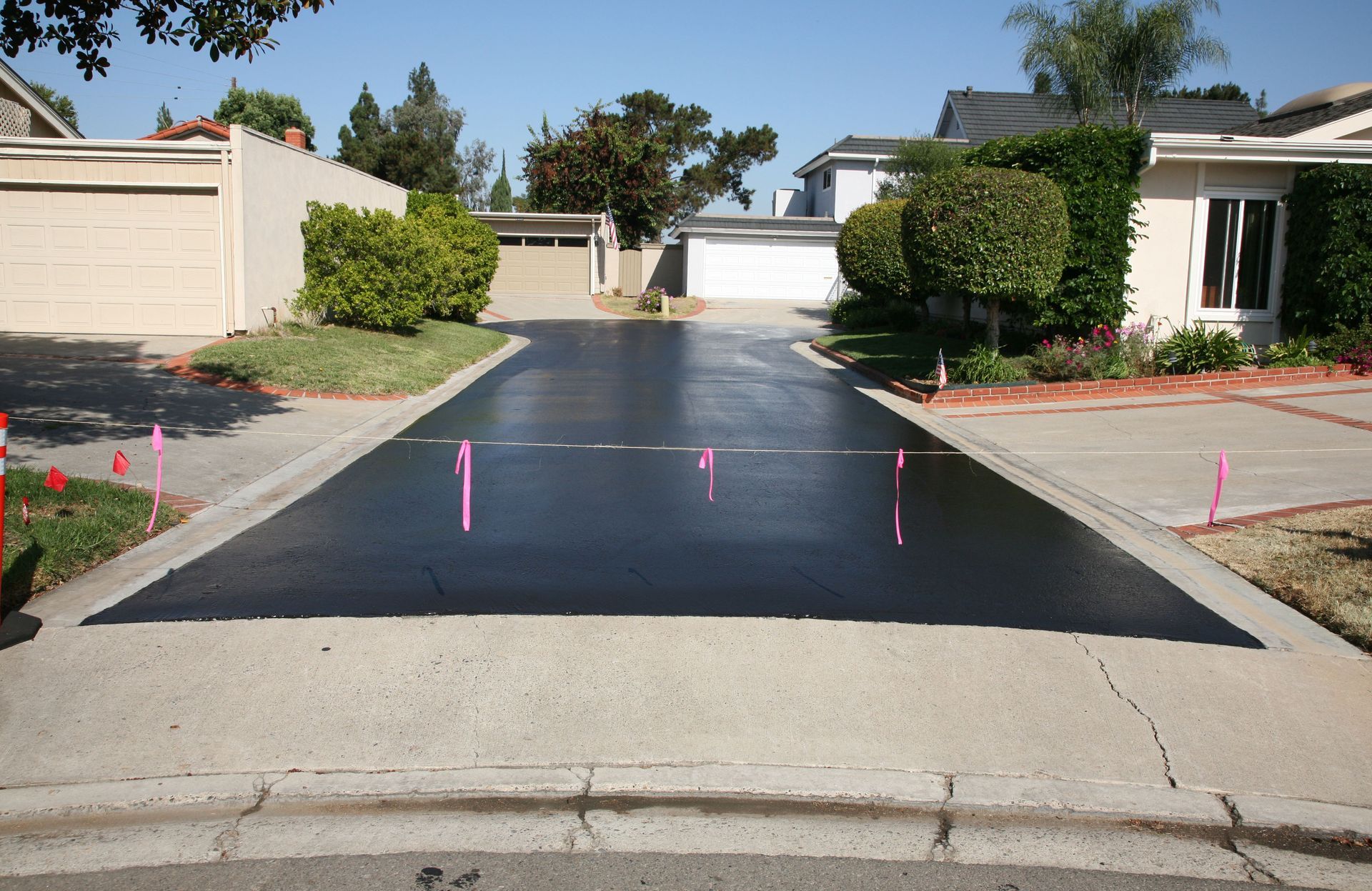
Once the base is prepared, the asphalt surface can be installed. During the asphalt driveway installation process, hot asphalt mix is placed over the prepared area and spread to the proper thickness. The material must be handled at the correct temperature and installed evenly to create a smooth, durable surface. Timing matters because asphalt becomes harder to work with as it cools.
After placement, the asphalt is compacted with specialized equipment. This step helps remove air pockets, improve density, and create a stronger finished surface. Proper compaction also contributes to a smoother appearance and better long-term performance. Skilled crews understand how to manage material placement and compaction so the driveway cures into a reliable surface.
Understanding Project Costs
The cost of a driveway project can vary based on size, site conditions, material needs, excavation requirements, drainage improvements, and accessibility. A larger driveway naturally requires more material and labor. Properties with poor soil, old pavement removal, or grading challenges may also require additional preparation before paving can begin.
According to IBISWorld, the paving industry has experienced a 1.1% compound annual decline over the past five years, reaching an estimated $18.9 billion in revenue in 2025. Even with changing industry conditions, homeowners should focus on value rather than choosing the lowest price alone. A properly completed asphalt driveway installation can provide better long-term performance and reduce the likelihood of early repairs.
Allowing Proper Curing Time
After installation, the driveway needs time to cool and harden before regular use. Homeowners should follow the contractor’s recommendations about when to walk, park, or drive on the new surface. Using the driveway too soon may leave marks, depressions, or tire impressions, especially during warm weather when asphalt remains more flexible.
Even after the surface is ready for normal use, homeowners should treat it with care during the early stages. Avoid parking heavy vehicles in the same spot for long periods, turning wheels sharply while stationary, or placing sharp objects directly on the pavement. These habits can help protect the new surface while it continues to settle and strengthen.
Maintaining the Finished Driveway
Maintenance plays an important role in protecting a new driveway. Regular cleaning, prompt crack repair, and periodic inspections can help prevent small issues from becoming larger problems. Leaves, dirt, oil, and chemicals should be removed when possible because buildup can affect the surface appearance and condition over time.
Sealcoating may also be recommended after the driveway has had enough time to cure. This protective layer can help reduce damage from sunlight, moisture, and everyday wear. While maintenance needs vary based on climate and use, consistent care can extend the life of the pavement and preserve the appearance of the driveway.
Choosing the Right Contractor
The contractor you choose can make a major difference in the final result. A dependable paving company should understand site preparation, drainage, base construction, asphalt placement, and compaction. Homeowners should look for a team that communicates clearly, provides detailed information, and explains what is included in the project.
It is also wise to ask about timelines, cleanup, equipment, and maintenance recommendations. A professional contractor can help homeowners understand each step and avoid confusion during the project. Choosing an experienced team for asphalt driveway installation helps support better workmanship and a smoother overall experience.
A new driveway can improve curb appeal, increase convenience, and create a more functional entrance to your home. However, long-lasting results depend on proper planning, site preparation, drainage, base construction, asphalt placement, curing, and maintenance. Homeowners who understand the process are better prepared to make informed decisions and protect their investment. With the right contractor and care, asphalt driveway installation can provide a durable and attractive surface for years to come. If you are ready to improve your residential property with professional paving services, contact North Shore Paving, Inc. today.